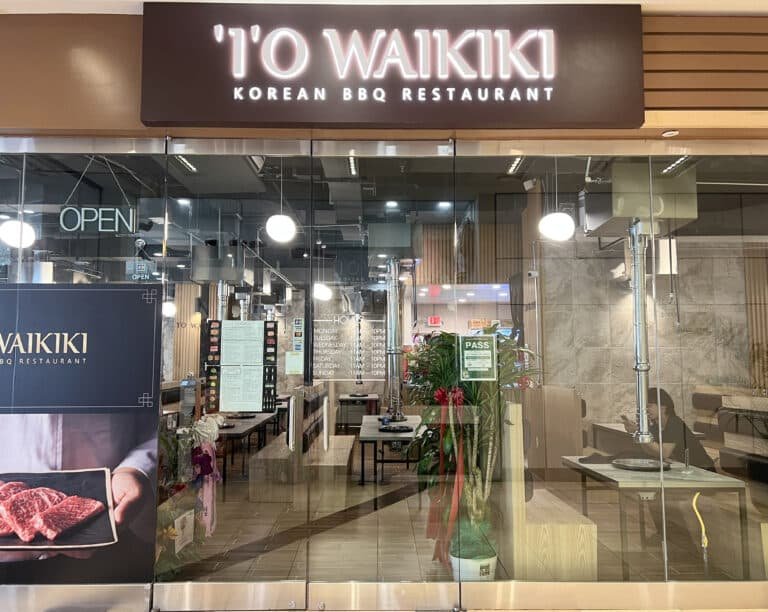
The sizzle of marinated galbi hitting a hot grill, the fragrant smoke curling upwards, and the vibrant array of banchan spread across your table – experiencing authentic Korean BBQ in Waikiki isn't just about a meal; it's a sensory journey, a culinary anchor in a sea of island flavors. For many, finding that true taste of Korea amidst the surf and sand becomes a quest, and when you get it right, it delivers an unforgettable island dining experience that goes far beyond a simple dinner.
At a Glance: Crafting Your Authentic KBBQ Experience
- Understand Authenticity: Learn what truly defines a genuine Korean BBQ spot in a tourist-heavy locale.
- Navigate the Menu: Master ordering the right cuts, marinades, and complementary dishes.
- Embrace the Grill: Discover the techniques for perfectly cooked meat and interaction with your server.
- Savor the Sides (Banchan): Appreciate the importance of these essential, flavorful accompaniments.
- Pair Like a Pro: Choose the ideal drinks to elevate your meal, from soju to refreshing brews.
- Beyond the BBQ: Explore other traditional Korean dishes that round out a complete dining experience.
Beyond the Postcard: Defining Authentic Korean BBQ in Waikiki
Waikiki is a global dining hub, and while many restaurants offer "Korean-inspired" dishes, finding truly authentic Korean BBQ requires knowing what to look for. It's more than just grilling meat; it's a cultural immersion built on quality ingredients, traditional preparations, specific service styles, and a lively atmosphere that transports you directly to Seoul. Think of it as a culinary ecosystem where each component plays a vital role.
The essence of authenticity here lies in three core pillars: Quality, Tradition, and Experience. Quality means premium cuts of meat, fresh, house-made banchan (side dishes), and proper grilling equipment. Tradition is evident in the marinades, the variety of banchan, and the customary way of eating. Experience encompasses the interactive grilling, the attentive service, and the vibrant, often communal, atmosphere. When these elements align, you've found your authentic spot.
The Pillars of a Stellar KBBQ Meal
An exceptional Korean BBQ experience isn't accidental; it's a carefully orchestrated symphony of flavors and interactions. Understanding these foundational elements helps you evaluate and appreciate your chosen restaurant.
The Meat Takes Center Stage: Cuts, Marinades, and Quality
The star of any KBBQ show is, unequivocally, the meat. Authentic establishments prioritize high-grade cuts, recognizing that the inherent quality of the protein is non-negotiable.
- Premium Cuts: Look for options like galbi (marinated or unmarinated short ribs), bulgogi (thinly sliced marinated beef), samgyeopsal (thick-cut pork belly), and chadolbagi (thinly sliced brisket). These are staples for a reason. Higher marbling in beef cuts, for instance, translates directly to a richer, more tender bite.
- Marinades: A Balanced Art: Korean marinades are a delicate balance of sweet, savory, and aromatic elements, often featuring soy sauce, garlic, sesame oil, ginger, and fruit (like Asian pear) to tenderize. A good marinade enhances the meat without overwhelming its natural flavor. Unmarinated options, like samgyeopsal or chadolbagi, allow the pure taste of the meat to shine, often dipped in salt and sesame oil.
- Portioning and Presentation: Authentic spots will serve generous portions, often artfully arranged, ready for the grill. Sometimes, larger cuts like galbi are brought out whole and then expertly cut at the table by staff or yourself.
Banchan: The Unsung Heroes of the Table
If the meat is the star, banchan are the indispensable supporting cast, creating depth and complexity for every bite. These small, shareable side dishes are a cornerstone of Korean dining.
- Variety is Key: Expect a minimum of 6–8 different banchan, ranging from classic kimchi (fermented cabbage) to pickled radishes, seasoned bean sprouts (kongnamul), stir-fried glass noodles (japchae), fish cakes (eomuk bokkeum), and various fresh salads. The more diverse and fresh the banchan, the better the indication of authenticity.
- Freshness and House-Made: Truly authentic spots pride themselves on making their banchan in-house, ensuring freshness and traditional flavors. You can often taste the difference – vibrant, crisp vegetables versus dull, mass-produced sides.
- Unlimited Refills: A hallmark of Korean hospitality, most authentic KBBQ restaurants offer unlimited refills on banchan. Don't be shy to ask for more of your favorites; it's part of the experience.
The Grill Experience: Fueling the Fire
The type of grill matters more than you might think. It influences the flavor, texture, and overall enjoyment of your meal.
- Charcoal vs. Gas: While both are common, charcoal grills are often preferred for their ability to impart a smoky, richer flavor to the meat. They can be a bit more challenging to regulate, but the payoff in taste is significant. Gas grills offer more consistent heat and are easier to manage, making them a popular choice for convenience.
- Proper Ventilation: Good KBBQ restaurants in Waikiki will have robust overhead ventilation systems. This isn't just for comfort; it prevents the dining room from becoming overly smoky and ensures the focus remains on the food.
- Cleanliness: A clean grill surface, often changed between rounds of meat, ensures that residual flavors don't taint your fresh cuts and that your meat cooks evenly.
Service and Atmosphere: More Than Just a Meal
Beyond the food, the service style and ambiance significantly contribute to an authentic Korean BBQ experience.
- Attentive, Not Intrusive: Expect staff to be present, ready to change grill plates, refill banchan, and perhaps even assist with grilling your meat (especially for certain cuts like galbi or if you're unfamiliar). This assistance is a sign of good service, not a sign of them taking over.
- Charming Atmosphere: The best spots strike a balance between lively and comfortable. They often buzz with conversation and the sounds of sizzling meat, creating a communal and welcoming vibe. Many seasoned diners note that places with a "charming atmosphere" and "friendly staff" elevate the entire outing.
- Community and Sharing: KBBQ is inherently a communal dining experience. Tables are designed for sharing, and the act of grilling together fosters connection.
Navigating the Menu: Cuts, Marinades, and What to Order
Approaching a KBBQ menu can feel overwhelming with its array of meats, stews, and specialty dishes. Here’s how to order strategically for an authentic and satisfying meal.
Choosing Your Meats: A Strategic Start
Begin by selecting a mix of marinated and unmarinated meats to experience the full spectrum of flavors.
- Start with Unmarinated: If you're with a group, consider starting with unmarinated cuts like samgyeopsal (pork belly) or chadolbagi (brisket). These cook quickly, allowing you to appreciate the pure meat flavor, often just seasoned with salt and pepper, or dipped in sesame oil with salt and a touch of pepper.
- Move to Marinated: Follow up with marinated options like galbi (short ribs) or bulgogi (thinly sliced beef). The marinades can char slightly on the grill, adding a different layer of flavor.
- Variety is the Spice: For a group of 3-4, ordering 3-4 different meat dishes is a good starting point. Most restaurants offer platters or combos for convenience, which can be an excellent way to sample various cuts. Don't underestimate "tasty grilled beef, yakiniku, and brisket" as core components of a memorable order.
Beyond the BBQ: Stews, Noodles, and More
While the BBQ is the main event, the menu offers a wealth of traditional Korean dishes that complement and complete the meal. Ignoring them means missing out on crucial elements of Korean cuisine.
- Kimchi Jjigae (Kimchi Stew): A fiery, flavorful stew made with fermented kimchi, pork (or tofu), and vegetables. It's the perfect counterpoint to rich grilled meats, cutting through fattiness with its tangy heat.
- Doenjang Jjigae (Soybean Paste Stew): A comforting, earthy stew made with fermented soybean paste, tofu, and various vegetables. It offers a milder, savory alternative to kimchi jjigae.
- Naengmyeon (Cold Noodles): Especially refreshing on a warm Waikiki evening, these chewy buckwheat noodles are served in a cold, tangy broth (mul naengmyeon) or with a spicy sauce (bibim naengmyeon). It's a fantastic palate cleanser after rich meats.
- Steamed Egg (Gyeran Jjim): A fluffy, savory steamed egg custard, often served bubbling hot in a stone pot. It's a comforting, milder side, great for balancing spicier dishes.
The Art of the Grill: Mastering Your Tabletop BBQ
Part of the authentic KBBQ experience is the hands-on grilling. While staff may assist, knowing a few simple techniques enhances your enjoyment and ensures perfectly cooked meat.
Step-by-Step for a Perfect Bite
- Heat it Up: Ensure your grill is properly heated before placing any meat. A common mistake is grilling on a cold or lukewarm surface, leading to uneven cooking and sticking.
- Don't Overcrowd: Resist the urge to pile too much meat onto the grill at once. Overcrowding lowers the grill temperature, steams the meat instead of searing it, and prevents that desirable caramelized crust. Grill in small batches.
- Flip Once: For most cuts, especially thinner ones, aim for a single flip. Let one side develop a good sear, then flip and cook the other side until done to your preference. Constant flipping dries out the meat.
- Cut for Sharing: Once cooked, use the provided kitchen shears (a staple at KBBQ tables) to snip the larger pieces into bite-sized portions. This makes it easier to share and eat.
- Wrap and Savor: The traditional way to enjoy KBBQ is to take a piece of grilled meat, place it on a fresh lettuce leaf (often provided), add a dab of ssamjang (a spicy, savory dipping sauce), maybe a sliver of raw garlic or a dab of seasoned green onion, wrap it up, and pop the whole package into your mouth. This creates an explosion of textures and flavors.
Practical Grilling Scenarios
- For Samgyeopsal (Pork Belly): Place thick slices on the grill. Cook until golden brown and crispy on one side, then flip. Once cooked through, cut into smaller pieces and grill the sides until all surfaces are slightly browned. The fat should render beautifully.
- For Bulgogi (Marinated Beef): Since it's thin, bulgogi cooks very quickly. Spread it out thinly on the grill to ensure even cooking and avoid steaming. Once it changes color and edges caramelize, it's ready.
- For Galbi (Short Ribs): These are often thicker. Cook them slowly to ensure the interior is done without burning the exterior. If marinated, watch for charring from the sugar in the marinade. Staff might help cut these bone-in cuts.
Pairing Perfection: Drinks to Complement Your Meal
No authentic Korean BBQ experience is complete without the right beverage. The drinks aren't just thirst quenchers; they're integral to balancing the rich flavors and enhancing the communal spirit.
Traditional Korean Pairings
- Soju: This clear, potent rice liquor (typically 17-25% ABV) is the quintessential KBBQ pairing. Its clean, slightly sweet profile cuts through the richness of the meat and cleanses the palate. Many establishments are known for serving "good soju," ensuring a pleasant, smooth sip. It's often enjoyed in shots or small glasses, shared amongst friends.
- Makgeolli: A milky, lightly carbonated rice wine (around 6-8% ABV) with a sweet and tangy flavor. It's less alcoholic than soju and offers a refreshing contrast to spicy or savory dishes. It’s often served in a bowl, poured from a kettle, and is a fantastic choice for those who prefer a milder drink.
Other Refreshing Options
- Korean Beer: Light lagers like Hite or Cass are popular choices. Their crisp, clean taste provides a refreshing counterpoint to the rich meats and can be enjoyed straight or as a somaek (soju bomb, mixed with soju).
- Bokbunja (Korean Raspberry Wine): A sweet, fruity wine that's a delightful alternative, especially if you're looking for something with a bit more complexity than soju but less intensity.
- Soft Drinks and Juices: For non-alcoholic options, Korean pear juice or milkis (a milky, carbonated soda) offer unique flavors that pair surprisingly well.
Finding Your Authentic Spot: What to Look for in Waikiki
With Waikiki being a popular destination, filtering through options for authentic Korean BBQ can be tricky. Here’s a checklist to help you identify the real deal. When considering the Waikiki's best international cuisine, knowing these specifics for KBBQ will help you navigate the choices effectively.
- Diverse & Fresh Banchan: This is often the first tell. A wide, varied, and frequently refilled selection of fresh, house-made banchan is a strong indicator of an authentic establishment that values tradition and quality.
- Proper Grilling Setups: Look for tables with built-in grills, preferably with good ventilation systems. The presence of charcoal options is a bonus for a smoky flavor.
- Menu Depth Beyond BBQ: While BBQ is key, a truly authentic restaurant will offer a comprehensive menu that includes a variety of stews (jjigae), noodle dishes (naengmyeon), and other traditional Korean specialties. This indicates a full understanding of the cuisine.
- Korean Patronage: A subtle but effective indicator is the presence of Korean diners. Locals and Korean visitors often gravitate towards places that truly capture the flavors of home.
- Online Reviews and Ratings: Check platforms like Google Reviews (a 4.0+ rating is a good benchmark) for consistent praise regarding meat quality, banchan variety, and service. Look for comments specifically mentioning "great service and friendly staff" and a "charming atmosphere." These details align with what constitutes a highly-regarded, authentic experience.
- Specialty Soju Selection: A restaurant that takes its KBBQ seriously will usually have a good selection of soju, sometimes even unique or harder-to-find brands.
- Staff Interaction: Observe how staff interact with diners. Are they knowledgeable about the menu? Do they offer to help with grilling? This attentiveness is a hallmark of good Korean hospitality.
Practical Playbook for Your Next KBBQ Adventure
Ready to dive in? Follow these steps for a seamless and satisfying authentic Korean BBQ experience in Waikiki.
- Do Your Homework (Quickly): Before heading out, do a quick search or glance at reviews for highly-rated "authentic Korean BBQ Waikiki." Pay attention to mentions of banchan, meat quality, and service.
- Make a Reservation (If Possible): Especially for dinner or on weekends, popular KBBQ spots can get crowded. A reservation ensures you won't be waiting too long, which is crucial when hunger strikes.
- Go with a Group: KBBQ is best enjoyed with friends or family (2-4 people is ideal) as it allows you to sample more dishes and cuts of meat. The communal aspect is a big part of the fun.
- Order Strategically:
- Start with 2-3 meat dishes for two people, adding more as needed. Aim for a mix of marinated and unmarinated.
- Add a stew or noodle dish to complement the BBQ. Kimchi Jjigae or Doenjang Jjigae are excellent choices.
- Order your preferred drinks – soju, beer, or makgeolli.
- Embrace the Interaction: Don't be afraid to ask staff for recommendations, grilling tips, or banchan refills. They are there to enhance your experience.
- Pace Yourself: Enjoy the process. Grill in small batches, savor each bite, and experiment with different banchan combinations in your lettuce wraps.
- Soju Etiquette (Optional, but Fun): If drinking soju with a group, traditionally, you pour for others and they pour for you. When receiving a drink, hold your glass with both hands as a sign of respect.
Quick Answers to Common KBBQ Questions
Q: Is authentic Korean BBQ usually expensive in Waikiki?
A: While quality ingredients come at a price, KBBQ in Waikiki offers various price points. A full, authentic meal with good cuts of meat and drinks will likely be a moderate-to-high expenditure, but it's often seen as a value for the quality, quantity, and immersive experience. Sharing dishes among a group helps manage the cost.
Q: Can I go alone for KBBQ?
A: You certainly can, but KBBQ is traditionally a communal meal. Portions are often geared towards sharing, and the experience of grilling together is part of the fun. Some restaurants might have smaller combo platters suitable for one, but it might feel a bit overwhelming to manage a full grill setup by yourself.
Q: What if I don't know how to grill the meat?
A: Don't worry! Most authentic KBBQ restaurants in Waikiki have friendly staff who are happy to assist with grilling, especially if they see you struggling or if it's a particularly tricky cut of meat. It's perfectly acceptable to ask for help.
Q: Is Korean BBQ typically spicy?
A: Not all of it. While kimchi and some stews are definitely spicy, many grilled meats (especially unmarinated ones like chadolbagi or even galbi) are not inherently spicy. You can control the spice level with your choice of dipping sauces and banchan.
Q: What is Ssamjang?
A: Ssamjang is a thick, spicy, and savory dipping sauce served with KBBQ. It's a blend of doenjang (fermented soybean paste), gochujang (fermented chili paste), garlic, sesame oil, and other seasonings. It's meant to be smeared onto a lettuce wrap with your meat.
Your Next Bite: Making Your Waikiki KBBQ Experience Unforgettable
Embracing authentic Korean BBQ in Waikiki means stepping into a vibrant culinary tradition where food is designed for sharing, savoring, and celebrating. It’s a rewarding pursuit that offers a break from typical tourist fare, delivering rich flavors and an engaging, interactive dining experience. Arm yourself with this knowledge, and you’re not just finding a meal; you’re unlocking a memorable piece of global culture right in the heart of the Pacific. Your next delicious sizzle awaits.